Get a Quote
Transportation Infrastructure
Home / Solutions / Transportation Infrastructure
Application and product scope

Transportation Infrastructure

Protection, isolation and surge-control components for rail depots, stations and transport utility infrastructure.
Solution at a glance

Start with the network conditions

The right product depends on voltage, fault duty, installation environment and the way maintenance crews will isolate the circuit. These details are confirmed before a model is quoted.
System fit

Check the installation point

Confirm the voltage class, feeder arrangement, equipment interface and switching duty at the actual site.
Risk control

Match protection to the duty

Use the available fault current, overvoltage exposure and insulation level to set the protection and arrester requirements.
Project output

Issue a usable product schedule

Turn drawings, standards and site conditions into model numbers, quantities and documents that purchasing can use.

Application Scope

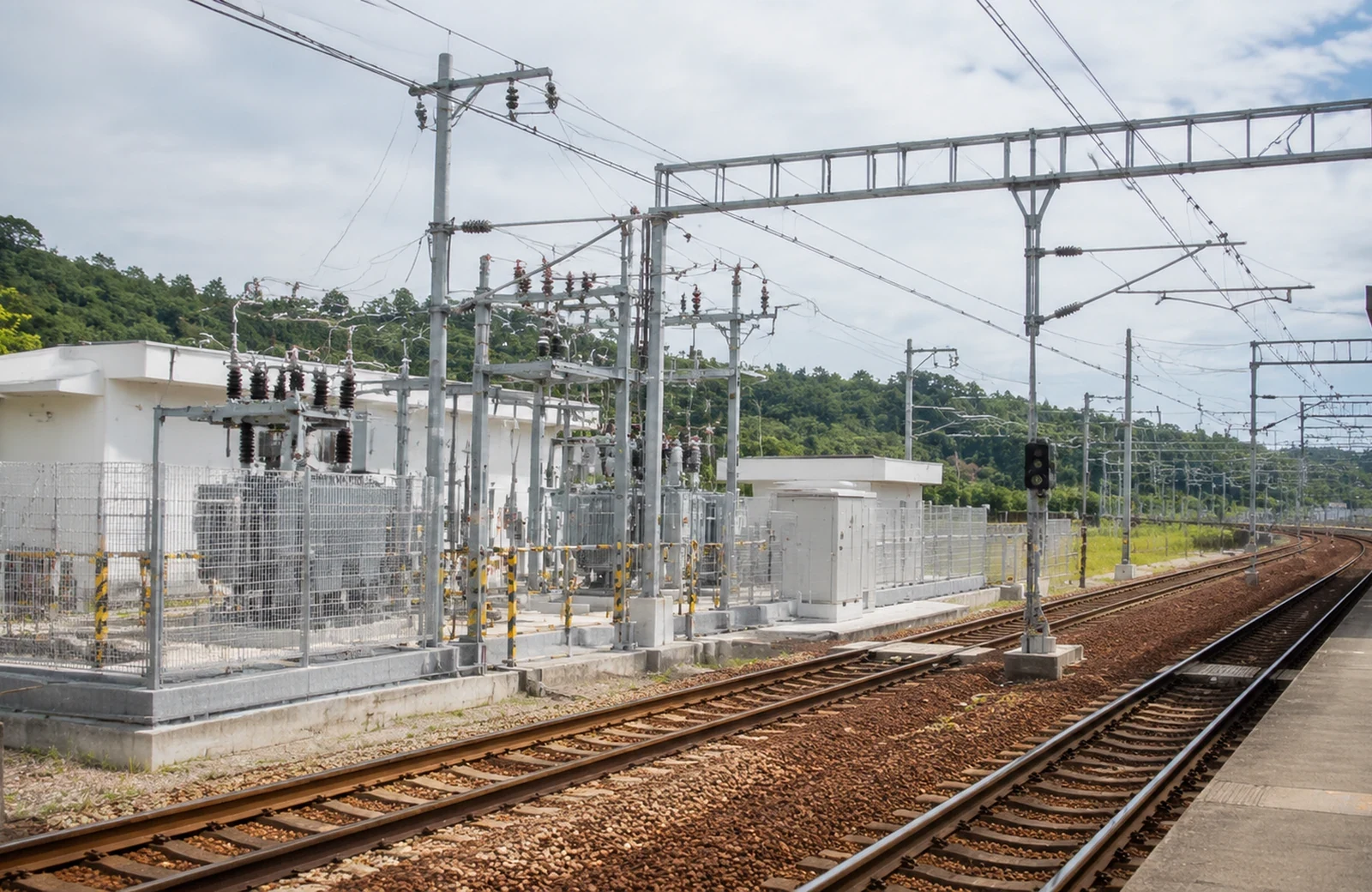
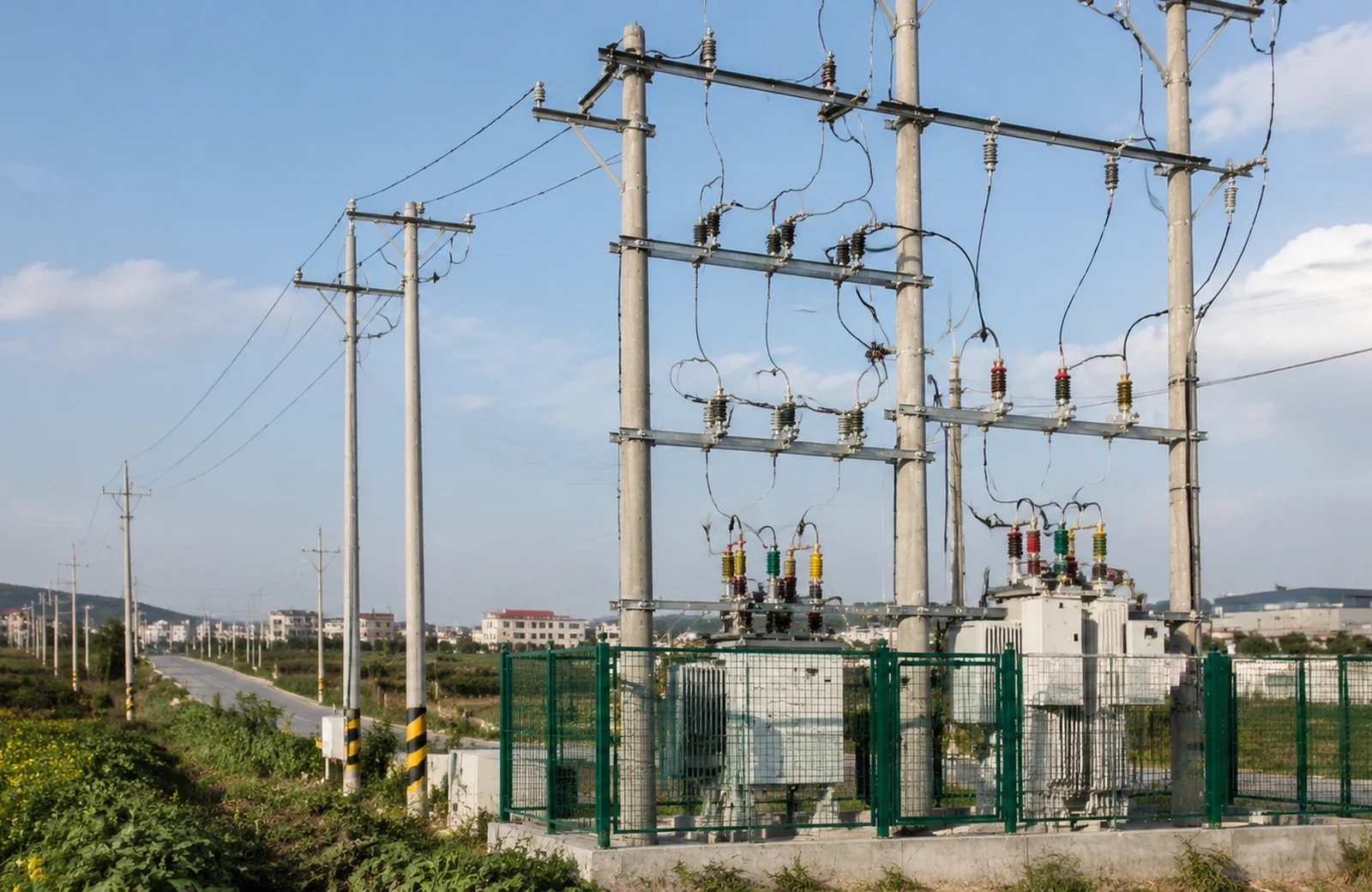
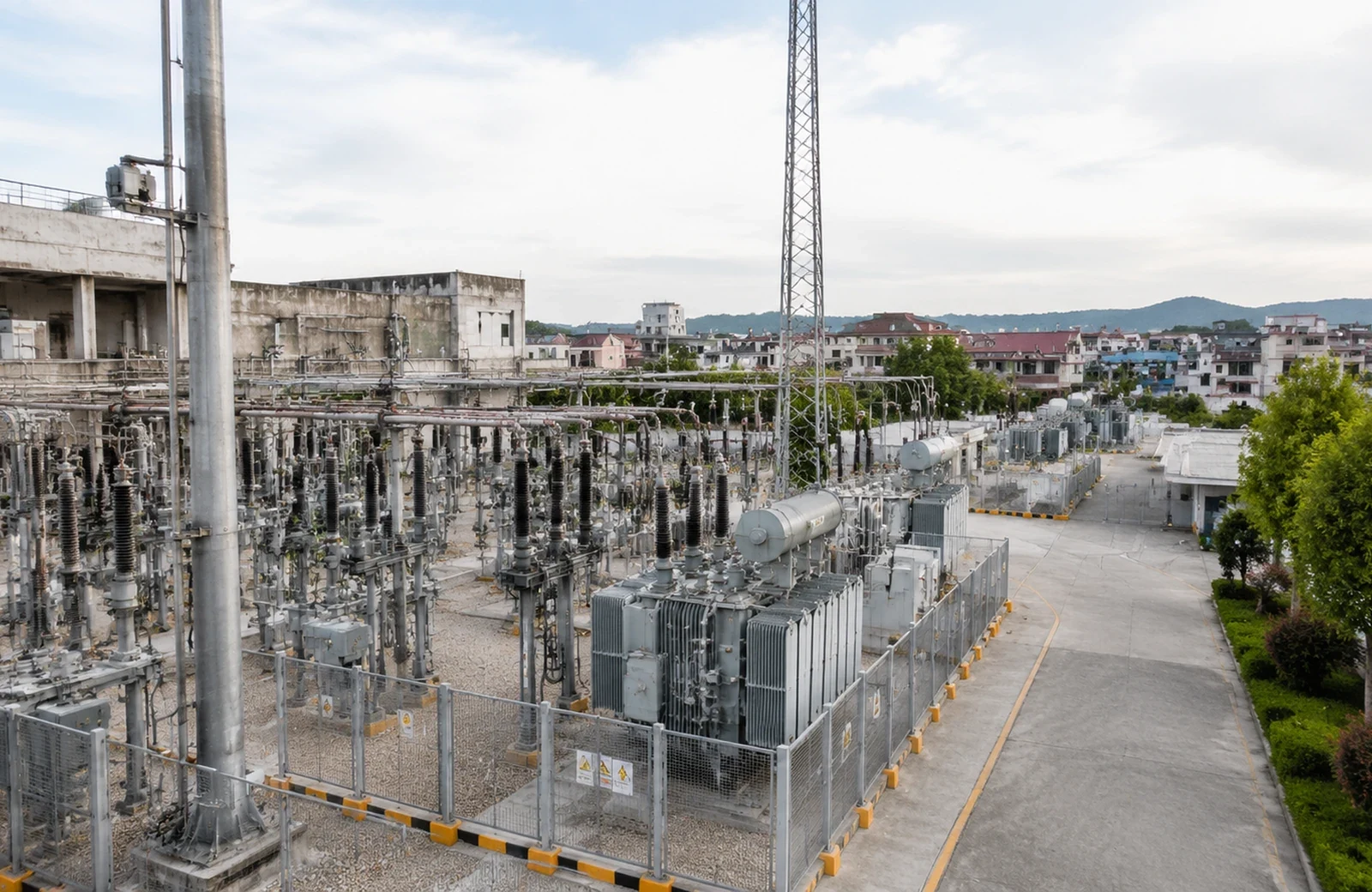
Rail depots, stations and urban transport facilities rely on dependable distribution around traction-support buildings, auxiliary systems and maintenance areas. GRL can support the high-voltage interfaces that feed these facilities with protection, isolation, surge-control and insulation components selected for the project standard.

Operating Considerations

  • Power interfaces must coordinate with the project voltage class, grounding system and equipment insulation level.
  • Outdoor corridors and depot roofs add pollution, moisture, wind and vibration considerations.
  • Maintenance planning requires visible isolation and clear identification of the affected supply section.

GRL Product Scope

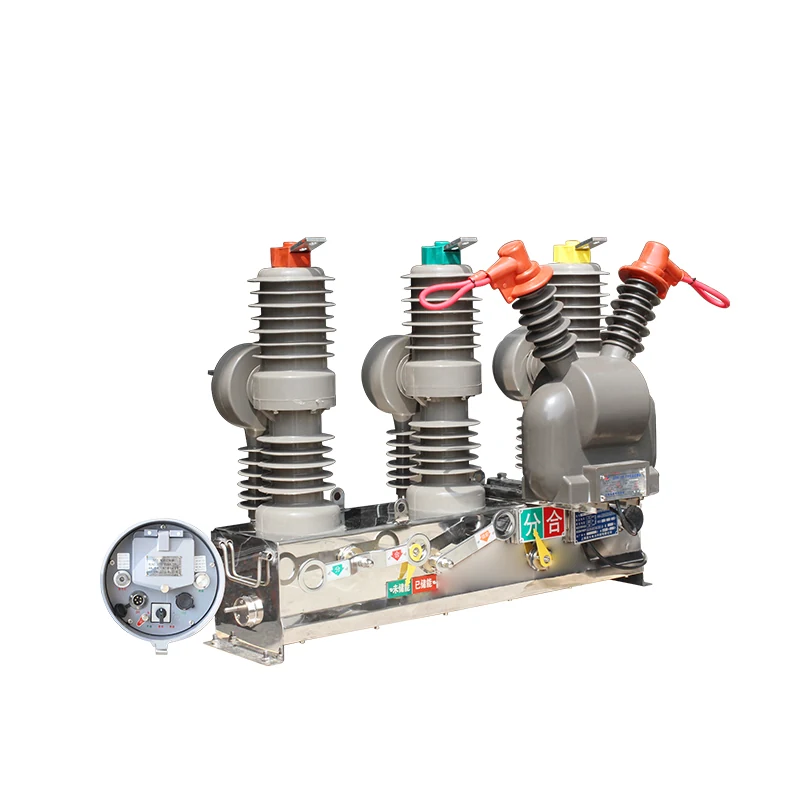
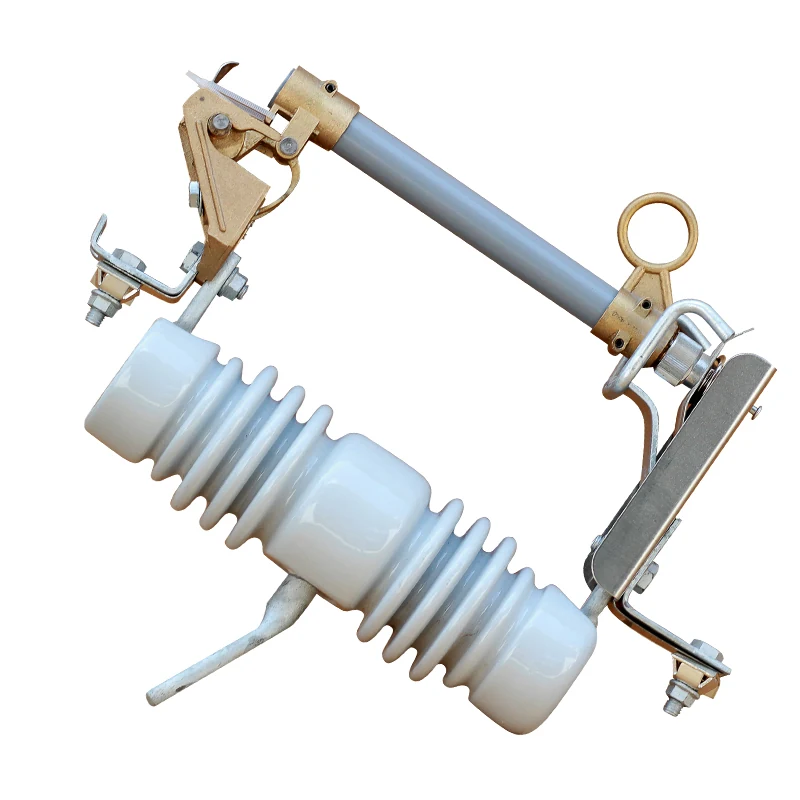
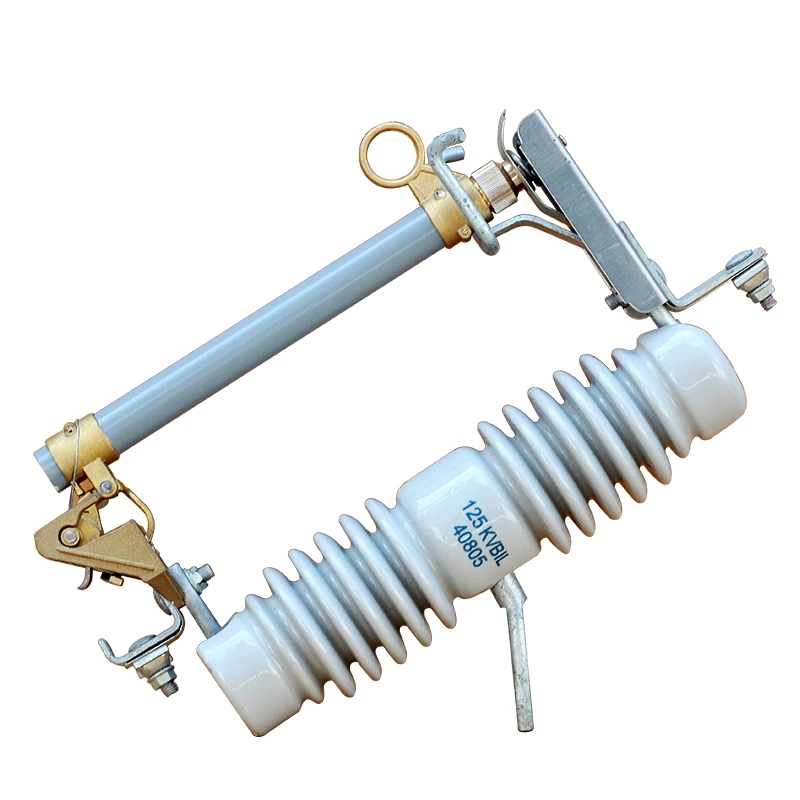
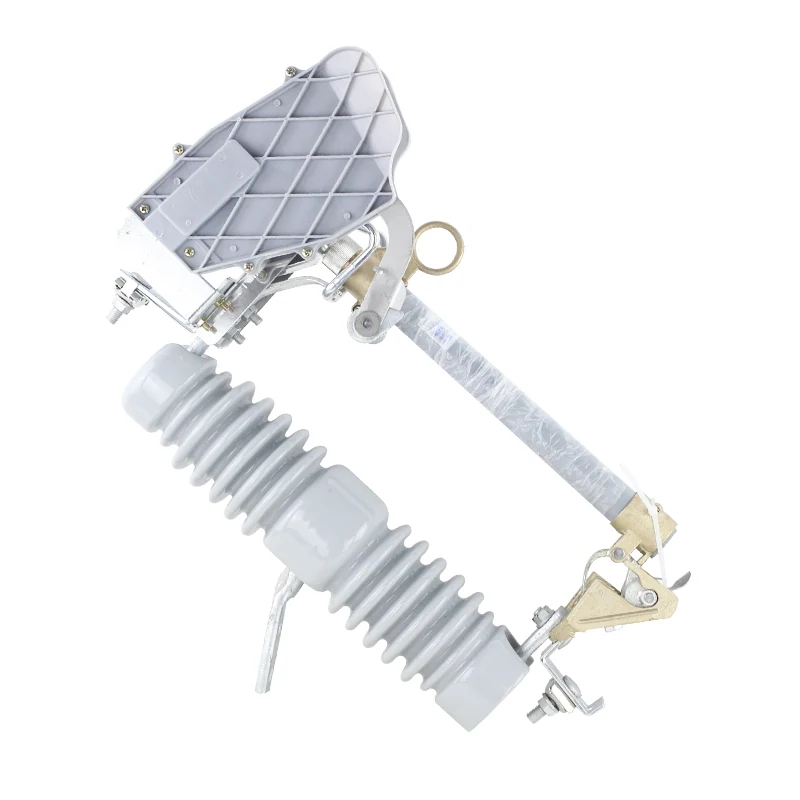
  • Disconnect switches and fuse cutouts for utility-side and auxiliary distribution isolation.
  • Surge arresters for exposed feeder and grid-connection points.
  • Composite insulators, fittings and supporting components matched to mechanical and electrical clearances.

Project Inputs

Provide the project voltage, short-circuit level, grounding method, interface drawings, environmental conditions, installation access and applicable rail or regional standards. GRL will review scope with the engineering or procurement team.

Expected Outcomes

  • Clearer isolation and maintenance procedures around transport facilities.
  • Protection coordination suited to exposed utility interfaces.
  • Documented component selection that can be repeated across stations or depots.

Order and delivery

From confirmed specifications to shipment

GRL confirms the model, drawings, test scope, packing and delivery terms before production starts.
01

Define inputs

Provide ratings, drawings, environmental conditions, quantity and standards.
02

Engineering review

Check product fit, protection duty, insulation and mechanical interfaces.
03

Confirm the scope

Align models, parameters, drawings, testing, packing and documentation.
04

Supply & support

Coordinate production, delivery and practical follow-up for project questions.
Project consultation

Send the site conditions with your product request

Include the voltage class, fault level, environment, quantity and any drawing or sample so the selection can be checked accurately.